

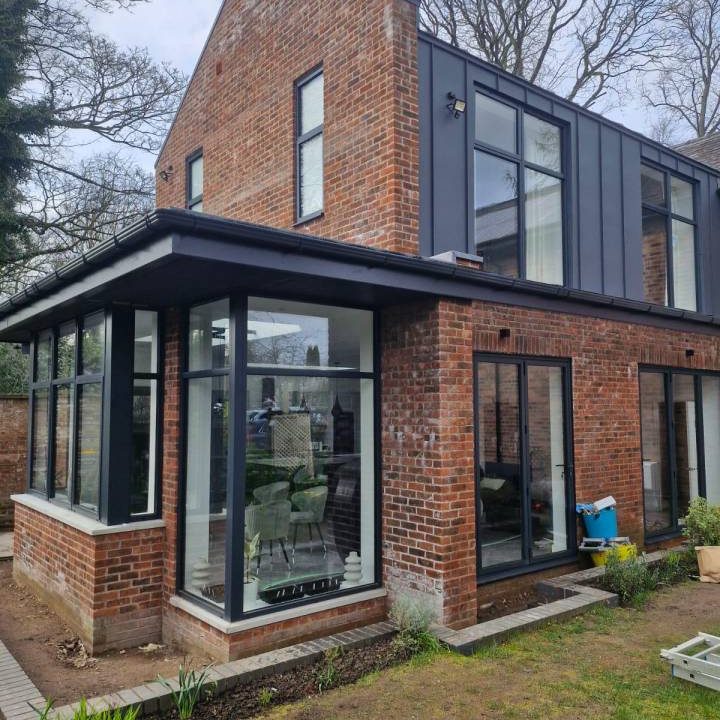
As summer comes to an end and the weather becomes cooler and wetter, autumn can start to expose problems around your property that may have been much less noticeable during the warmer months.
Your brickwork is no exception.
Increased rainfall, falling temperatures and changing weather conditions can highlight damaged mortar, cracks, moisture problems and other signs that your brickwork may need attention.
At LB Brickwork, we provide professional brickwork services to help homeowners maintain, repair and improve their properties. If you’ve noticed changes to your brickwork this autumn, addressing them before winter can help prevent smaller problems from becoming more significant.
Why Does Autumn Affect Brickwork?
Brickwork is designed to withstand the British weather, but years of exposure can eventually take their toll.
During summer, extended periods of relatively dry weather can make certain problems harder to notice. Once autumn arrives and rainfall becomes more frequent, damaged or deteriorating areas can become much more obvious.
Water can find its way into cracks, damaged mortar joints and other vulnerable areas.
As temperatures continue to fall towards winter, existing defects can potentially become worse, making autumn an important time to inspect the exterior of your property.
1. Cracked or Deteriorating Mortar Joints
Mortar plays an important role in keeping brickwork stable and weather-resistant.
Over time, mortar joints can begin to crack, crumble or erode. This deterioration may initially appear relatively minor, but wet autumn weather can make damaged areas easier to spot.
Look for mortar that is:
- Cracked
- Crumbling
- Missing from joints
- Recessed significantly behind the brick face
- Loose or visibly deteriorating
Depending on the extent of the problem, repointing may be required to remove failing mortar and replace it with a suitable new finish.
2. Cracks in the Brickwork
Not every small crack automatically means there is a serious structural problem, but cracks shouldn’t simply be ignored.
Autumn is a useful time to check external walls because wetter conditions can make cracks and surrounding staining more noticeable.
Keep an eye out for cracks that appear to be getting wider, extend across several bricks or follow a stepped pattern through the mortar joints.
The cause of cracking can vary considerably, so significant or developing cracks should be properly assessed rather than simply covered over.
3. Damp or Dark Patches After Rain
After periods of heavy rain, take a look at your external brickwork.
Are certain areas remaining noticeably darker or wetter than the surrounding wall?
Persistent damp patches can sometimes indicate that water is being retained or entering through an area where the brickwork or mortar has deteriorated.
Pay particular attention around windows, doors, rooflines, chimneys and other junctions where different building elements meet.
Finding the source of the problem is important before deciding on the appropriate repair.
4. Damaged or Spalled Bricks
Individual bricks can also deteriorate over time.
Spalling occurs when the surface of a brick begins to break away, flake or crumble. Moisture entering the material and repeated exposure to changing weather conditions can contribute to deterioration.
Damaged bricks aren’t just an appearance issue.
If deterioration is significant, affected bricks may need to be removed and replaced to help maintain the condition of the wall.
Autumn provides a good opportunity to identify these areas before the colder winter months arrive.
5. Problems Around Chimneys
Chimneys are particularly exposed to the weather.
Rain, wind and changing temperatures can gradually affect mortar joints and brickwork, while their position makes developing problems easy to overlook from ground level.
Signs that a chimney may require attention can include damaged pointing, loose or deteriorating bricks and visible cracking.
Because chimney work involves working at height, inspection and repairs should be carried out safely by appropriately experienced professionals.
6. Previous Repairs Becoming Visible
Autumn weather can sometimes highlight areas where previous repairs are beginning to fail.
You may notice sections of pointing starting to deteriorate again or repaired areas becoming more obvious after rainfall.
If repairs haven’t lasted as expected, it’s worth investigating why.
Simply applying more mortar over an existing problem isn’t always the right solution. The underlying cause should be considered before further work is carried out.
Why You Shouldn’t Ignore Damaged Pointing
Pointing can account for a significant proportion of the visible surface of a brick wall, and its condition matters.
When mortar joints deteriorate, they can leave the edges of bricks more exposed to the weather and allow moisture to penetrate vulnerable areas.
Professional repointing involves removing deteriorated mortar to an appropriate depth before replacing it with suitable new mortar.
Done correctly, repointing can dramatically improve both the appearance and condition of older brickwork.
Get Brickwork Checked Before Winter
Autumn provides a useful window for identifying external maintenance issues before winter brings colder and potentially harsher conditions.
Walk around your property and look carefully at the brickwork.
Check external walls, extensions, garden walls and any other visible masonry for deterioration.
If you notice cracking, loose mortar, damaged bricks or other concerns, getting professional advice can help you understand whether repairs are required.
Professional Brickwork Repairs from LB Brickwork
At LB Brickwork, we provide professional brickwork services for homeowners looking to maintain, repair or improve their properties.
Whether you have deteriorating pointing, damaged brickwork or an area you’re simply concerned about, we can assess the work required and recommend an appropriate solution.
Taking care of small areas of deterioration now could help prevent more extensive work being required later.
Have You Noticed Problems With Your Brickwork This Autumn?
Don’t wait until winter weather makes an existing problem more difficult to ignore.
If you’ve spotted cracked mortar, damaged bricks, deteriorating pointing or other signs of wear, now is a good time to have your brickwork inspected.
Contact LB Brickwork today to discuss your brickwork repairs, repointing or upcoming project and arrange a quote.
